The MIND Diet for Seniors: 7 Foods That Protect Your Aging Brain
Oct 01, 2026
Dr. Diane A. Thompson, MD · Evidence-based | Lifestyle Medicine
Introduction
Have you noticed that your memory, focus, or word-finding ability is not quite as effortless as it once was? You are not imagining it, and you are not alone. Some changes are a normal part of aging, while others deserve medical attention.
Contrary to what I was taught many years ago, we now know that brain aging is not completely fixed. Your daily habits can support neuroplasticity, which is your brain’s ability to adapt and form new connections. Nutrition is one important part of that larger picture for protecting your brain.
The MIND diet is a whole-food, plant-predominant eating pattern designed to support brain health. It combines elements of the Mediterranean diet and the DASH diet, which is commonly used to support healthy blood pressure.
It does not require expensive supplements, strict calorie counting, or complicated recipes. Instead, it emphasizes specific foods that provide fiber, unsaturated fats, vitamins, minerals, and plant compounds called polyphenols. These nutrients may help reduce inflammation and oxidative stress: biological processes associated with aging and chronic disease.
Table of Contents
1. What Does the Research Say?
2. The 7 Brain-Healthy Foods to Add More Often
3. A Simple MIND Diet Plate for Seniors
4. Brain Health and Fall Prevention
What Does the Research Say?
The original MIND diet research followed 960 older adults in the Rush Memory and Aging Project for an average of 4.7 years. Participants with the highest MIND diet scores experienced slower cognitive decline than those with the lowest scores. The difference was comparable to being 7.5 years younger in cognitive trajectory.
You can read the original study, “MIND diet slows cognitive decline with aging,” on PubMed.
Another observational study found that high adherence was associated with a lower incidence of Alzheimer’s disease. However, these studies show an association; they do not prove that the diet alone prevents dementia.
A 2023 randomized controlled trial of 604 adults aged 65 and older found that both the MIND diet group and the control group improved their diet and cognitive performance over three years. The study did not find a significant difference between the groups. This reminds us that no single diet is a cure or guarantee. Still, the MIND diet remains a practical way to improve overall dietary quality and cardiovascular health.
Take the guesswork out of the MIND Diet with simple, practical strategies you can use every day.
The 7 Brain-Healthy Foods to Add More Often
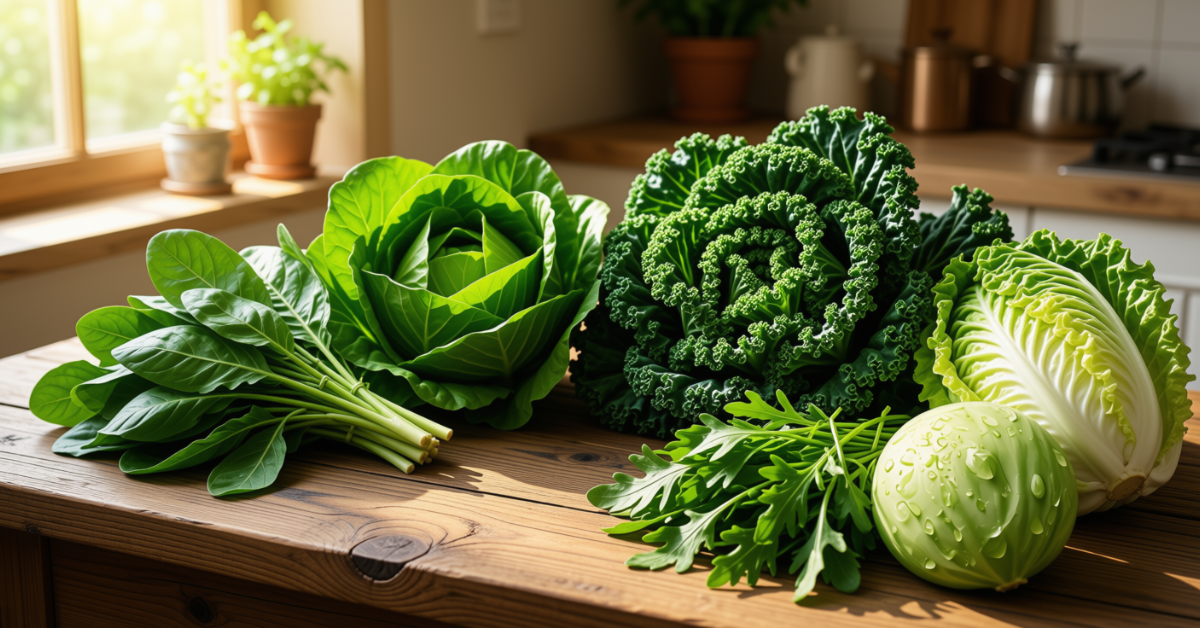
- Leafy Green Vegetables
Think spinach, kale, collard greens, Swiss chard, romaine lettuce, and other dark green vegetables.
The MIND diet recommends at least six servings per week. Leafy greens provide folate, vitamin K, carotenoids, and other compounds that support vascular and brain health.
Easy ways to include them:
- Add greens to soup, stews, or a smoothie.
- Choose a side salad with lunch or dinner.
- Keep prewashed greens available for quick meals.
- Use frozen chopped greens in beans, pasta, or casseroles.
Tip: If chewing is difficult, cooked greens may be more comfortable than raw salads.
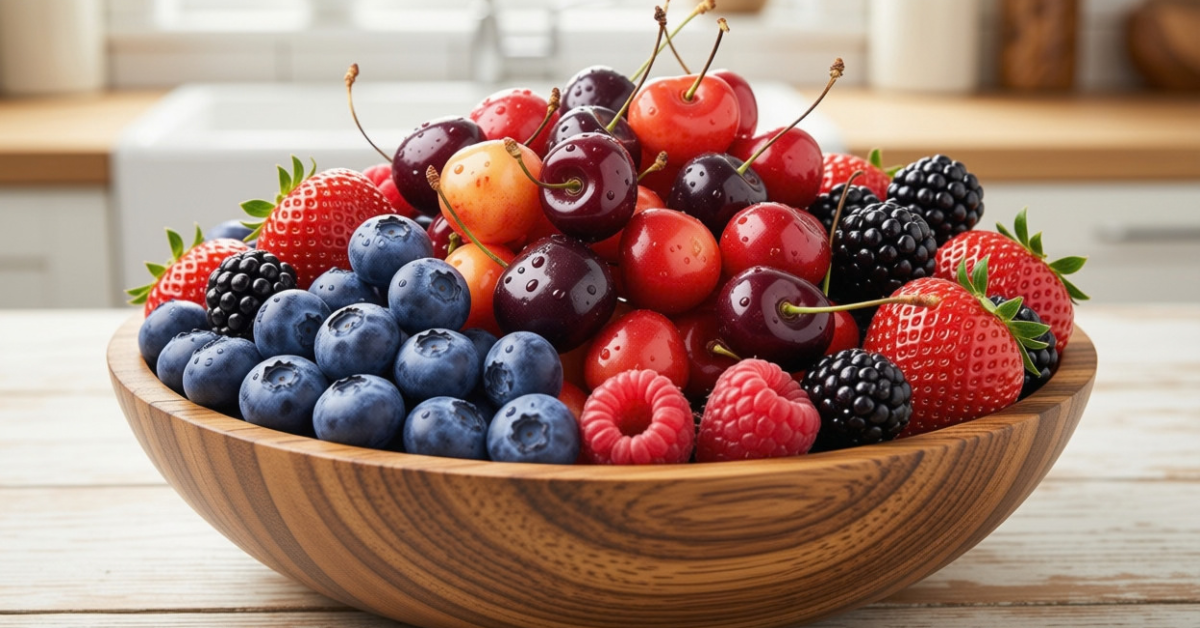
- Berries
Blueberries and strawberries are especially emphasized, although blackberries and raspberries are also excellent choices. Berries provide fiber and polyphenols called flavonoids, which are being studied for their potential role in healthy cognitive aging.
Aim for at least two servings per week. Fresh berries are helpful, but frozen berries are often less expensive and just as convenient.
Try adding berries to:
- Oatmeal or unsweetened yogurt
- A low-sugar smoothie
- A whole-grain cereal
- A simple dessert with chopped nuts
If you have diabetes, berries can usually fit into a balanced eating pattern, but portion sizes and total carbohydrate intake still matter.
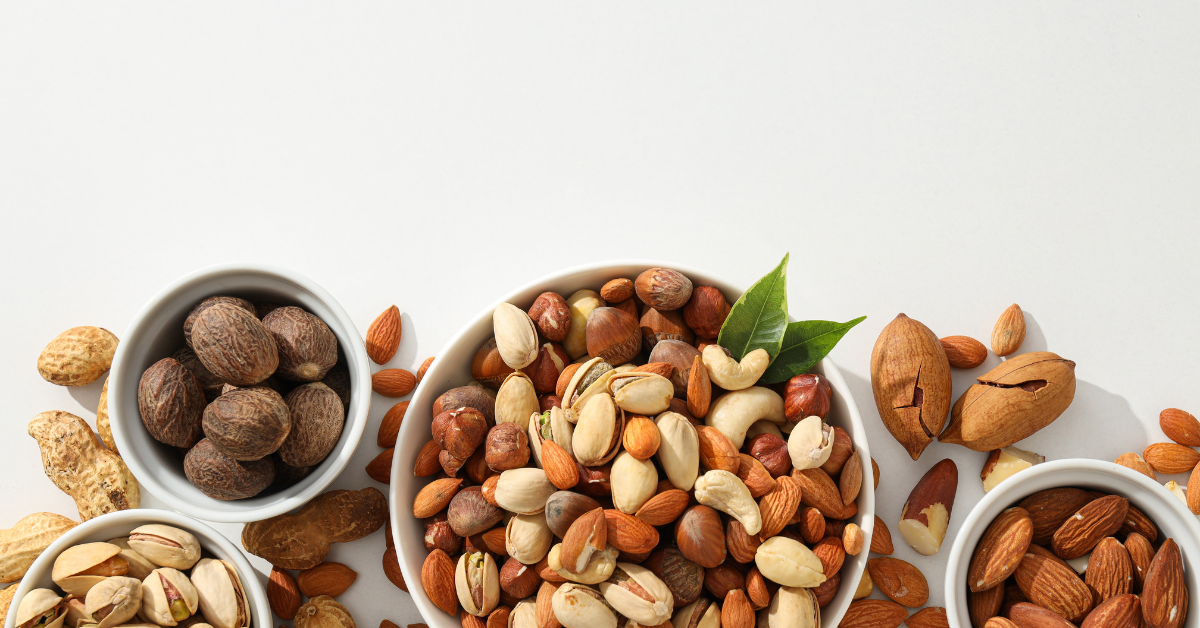
- Nuts
Walnuts, almonds, pistachios, pecans, and peanuts provide unsaturated fats, fiber, magnesium, and plant-based protein. Walnuts also contain alpha-linolenic acid, a plant-based omega-3 fatty acid.
The MIND pattern encourages nuts five or more times per week.
A practical serving is a small handful, approximately 1 ounce. Choose unsalted nuts when possible, particularly if you have high blood pressure or kidney disease.
You can:
- Sprinkle chopped nuts over oatmeal.
- Add them to a salad.
- Keep a small portion available for a snack.
- Use natural peanut or almond butter on whole-grain toast.
- Whole Grains
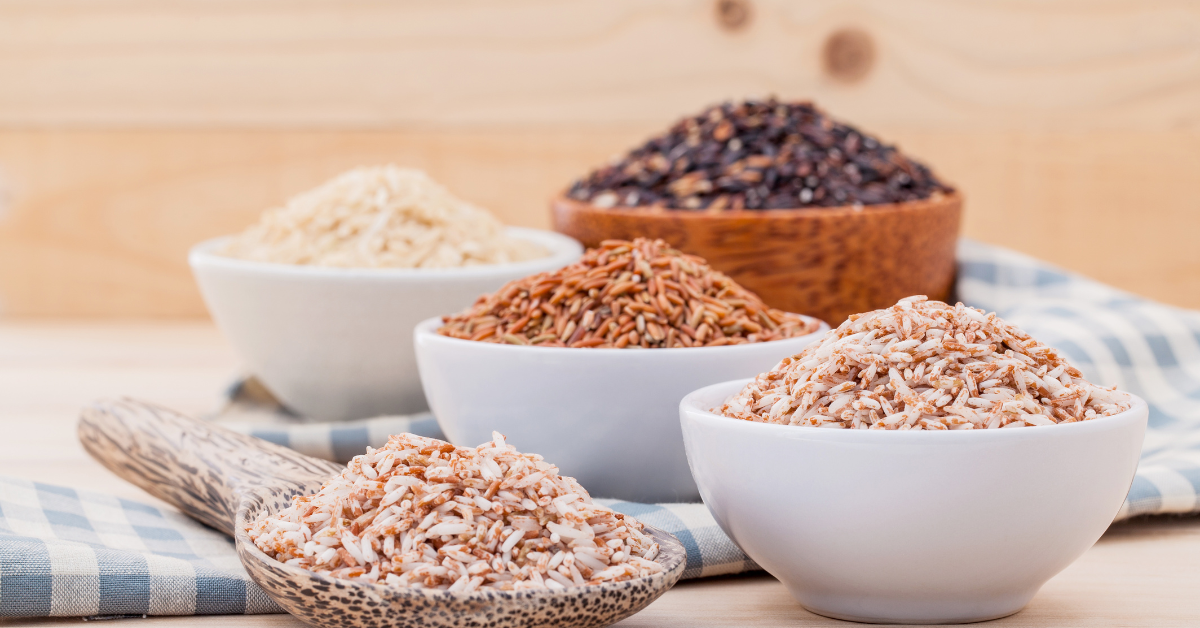
Whole grains include oatmeal, brown rice, barley, quinoa, whole-grain bread, and whole-grain pasta. They provide fiber and help support steady energy and cardiovascular health.
The MIND diet recommends three or more servings per day. This does not mean every meal must be large. One serving might be a slice of whole-grain bread, ½ cup of cooked brown rice, or a bowl of oatmeal.
Tips: If you are new to whole grains, transition gradually. Try mixing brown rice with white rice or choosing half whole-grain pasta and half regular pasta.
- Beans and Other Legumes
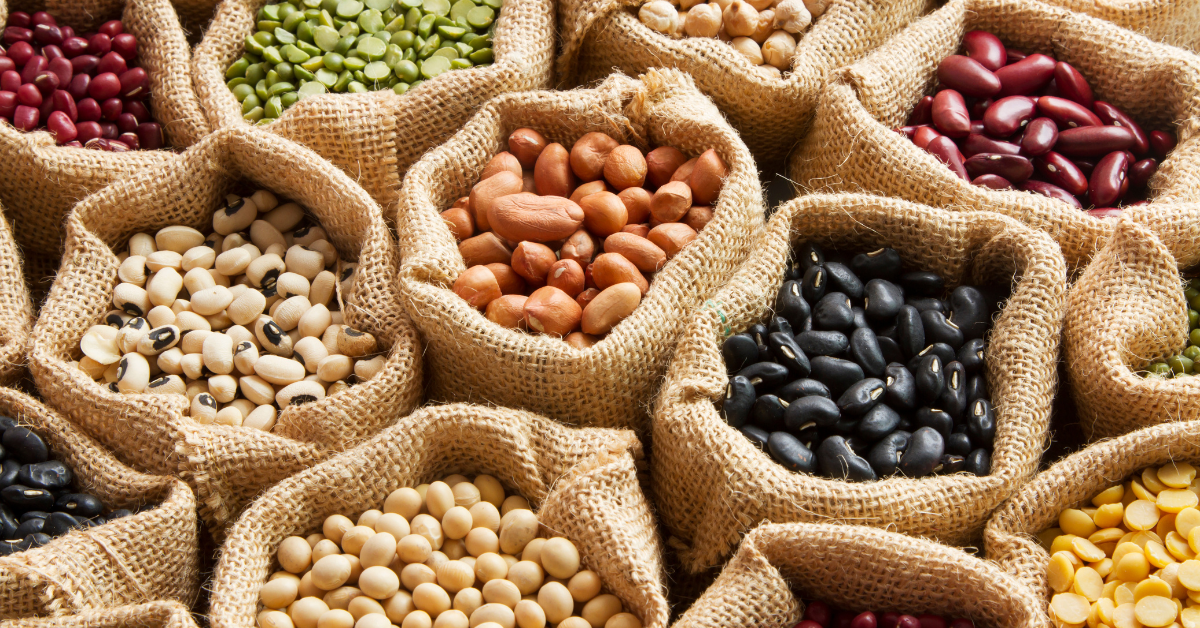
Beans, lentils, peas, and chickpeas are affordable sources of fiber, plant-based protein, iron, and other nutrients. They can also help make meals more filling without relying heavily on red or processed meat.
Aim for beans at least four times per week.
Low-effort options include:
- Low-sodium canned beans, rinsed before eating
- Lentil soup
- Hummus with vegetables
- Chickpeas added to salads
- Black beans served with brown rice
If beans cause gas or bloating, start with small portions and increase slowly. Rinsing canned beans can also remove some of the excess sodium and improve tolerance.
- Fish
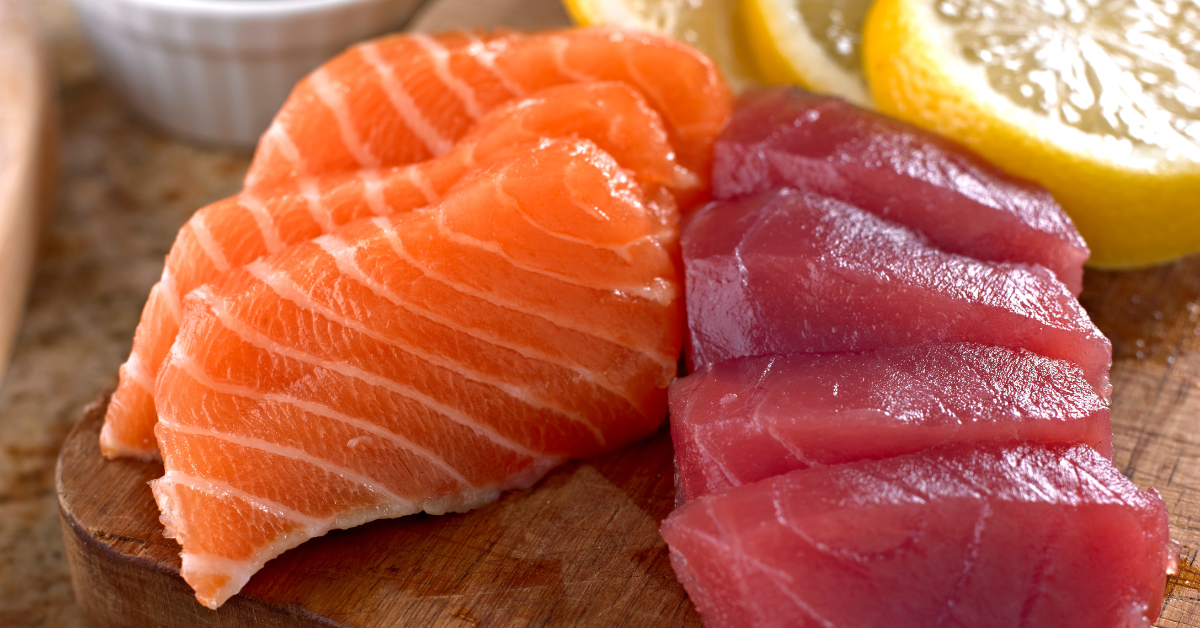
Fish: especially salmon, sardines, trout, and tuna: provides protein and omega-3 fatty acids. Omega-3 fats are important components of brain cell membranes and also support cardiovascular health.
The MIND diet recommends at least one serving of fish per week, preferably baked, grilled, or steamed rather than fried.
For lower-mercury choices, consider salmon, sardines, trout, shrimp, or canned light tuna. If you do not eat fish, plant sources such as ground flaxseed, chia seeds, walnuts, and soy foods can contribute beneficial fats, although they do not provide the same form of omega-3 found in fish.
- Extra-Virgin Olive Oil
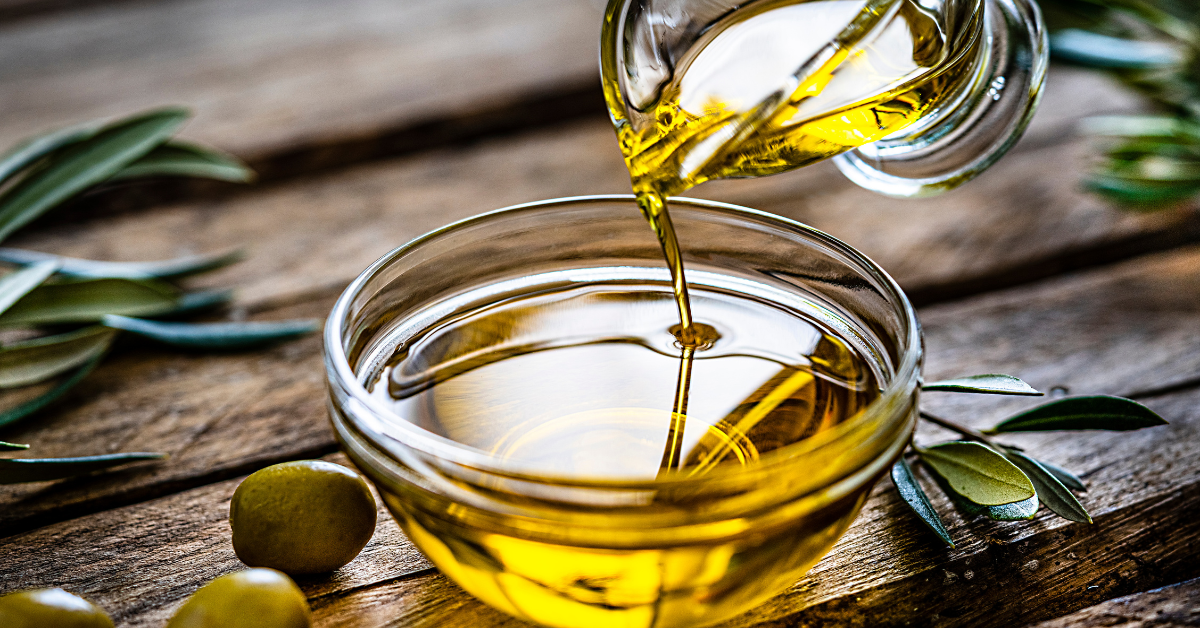
Olive oil is the MIND diet’s preferred added fat. It contains mostly monounsaturated fat and plant compounds that may support heart and vascular health.
Use it in place of butter, shortening, or stick margarine when appropriate:
- Drizzle it over vegetables or beans.
- Use it in a simple salad dressing.
- Brush it lightly over fish before baking.
- Dip whole-grain bread in a small amount.
Olive oil is calorie-dense, so you do not need large amounts. A tablespoon can add flavor and healthy fat to a meal.
A Simple MIND Diet Plate for Seniors
You do not need to follow the plan perfectly. Start by building meals around these principles:
- Half the plate: vegetables, including leafy greens
- One-quarter: beans, fish, poultry, or another healthy protein
- One-quarter: whole grains or starchy vegetables
- Add: fruit, nuts, or olive oil as appropriate
The full MIND diet also limits frequent intake of red meat, fried food, pastries, sweets, butter, stick margarine, and high-fat cheese. These foods do not have to be forbidden. The goal is to make them occasional rather than everyday choices.
Try This: A One-Day Brain-Healthy Menu
- Breakfast: Oatmeal with blueberries and walnuts
- Lunch: Lentil soup with a leafy green salad and olive oil dressing
- Snack: A small handful of unsalted nuts
- Dinner: Baked salmon, steamed broccoli, and brown rice
- Beverage: Water or unsweetened tea
If you live in an independent living community, ask whether the dining team can provide extra vegetables, whole grains, fruit, or beans. Small changes to the foods already available can make the pattern easier to follow.

Brain Health and Fall Prevention
Nutrition supports overall health, but it is only one part of maintaining independence. Falls are a serious concern for older adults because they can cause fractures, head injuries, hospitalization, fear of movement, and loss of autonomy. A fall may also lead you to become less active, which can further weaken strength and balance.
The CDC’s STEADI initiative recommends screening, assessing, and addressing modifiable fall risks. Five evidence-based prevention strategies include:
- Practice strength and balance exercise.
Ask your clinician or physical therapist about strength training, balance exercises, tai chi, or a supervised fall-prevention program. Begin at an appropriate level and use support when needed. - Review medications.
Ask your pharmacist or clinician to review all prescriptions, over-the-counter medications, and supplements. Sleep medicines, sedatives, some blood pressure medications, and other drugs may increase dizziness or unsteadiness. Do not stop a medication on your own. - Check your vision.
Schedule regular eye examinations and report changes in vision. Poor depth perception, cataracts, and an outdated prescription can make it harder to navigate stairs, curbs, and uneven surfaces. - Make your home safer.
Remove loose rugs and clutter, improve lighting, add grab bars in the bathroom, and use handrails on stairs. An occupational therapist can provide a personalized home safety assessment. - Address dizziness, blood pressure changes, and footwear.
Tell your clinician if you feel lightheaded when standing. Rise slowly, stay adequately hydrated if medically appropriate, and wear supportive shoes with good traction. Ask about orthostatic blood pressure assessment if dizziness is recurring.
These steps complement the MIND diet. A healthy brain and a safer environment work together to help you remain active and independent.
The Bottom Line
The MIND diet is not a rigid prescription. It is a flexible, plant-predominant pattern that encourages greens, berries, nuts, whole grains, beans, fish, and olive oil while limiting foods high in saturated fat and added sugar.
The strongest research shows an association with slower cognitive decline, while newer clinical trial evidence remains more mixed. Even so, eating more minimally processed plant foods can support your heart, blood pressure, energy, digestion, and overall healthy aging.
One Simple Tip
At your next meal, add one extra serving of a brain-healthy plant food: a handful of berries, a side of greens, a spoonful of beans, or a few unsalted nuts. Small choices, repeated consistently, can become a powerful foundation for the years ahead.
For more guidance, explore our courses and books. You can also learn more about practical brain-health habits in Neurobics: 6 Fun Brain Exercises to Stay Sharp.
This article is for educational purposes only and does not replace individualized medical advice. If you have kidney disease, diabetes, swallowing difficulties, food allergies, or unintentional weight loss, speak with your healthcare professional or a registered dietitian before making major dietary changes. Read the medical disclaimer.