Are These 7 Silent Habits Aging You? A Physician’s Guide to Reclaiming Longevity After 50
May 26, 2026
Dr. Diane A. Thompson, MD · Evidence-based | Lifestyle Medicine
I am a physician. I exercise consistently, I eat a diet rich in fruits and vegetables, and I educate about lifestyle medicine for a living. Yet, not long ago, I realized I was still aging faster than I should have been.
It wasn't because of the obvious culprits. It wasn't consistently missed workouts session or daily desserts. It was a collection of seven "silent" habits that I had completely normalized, things I didn't think applied to me or things I simply felt were "fine."
If you are a woman over 50, you have likely been told that fatigue, brain fog, and a slower recovery are just "part of the process." You’re not imagining the changes in your body, but you are not powerless against them. Healthy aging is not a passive event; it is an active optimization of your biological systems.
Here is my honest audit of the seven silent habits that accelerate aging after 50, the clinical science behind why they matter, and how you can stop them today.
Table of Contents
1. You’re Counting Hours, but Ignoring Sleep Architecture
2. The "Exercise Snob" Trap: Prolonged Sitting
3. The "Healthy" Snack Camouflage
4. Social Isolation Disguised as Introversion
5. The "One Glass of Wine" Normalization
6. Magical Thinking: Ignoring New Symptoms
7. Invisible Sun Damage (The Cloudy Day Myth)
1. You’re Counting Hours, but Ignoring Sleep Architecture

Most of us aim for the magic seven to nine hours of sleep. But sleep is not a monolith; it is a complex series of cycles. I discovered through my own tracking data that while I was in bed for eight hours, my REM (Rapid Eye Movement) and Deep Sleep phases were dangerously low.
The Science: After 50, your brain’s "overnight cleaning crew", the glymphatic system, becomes more critical than ever. During deep sleep, your brain cells literally shrink, allowing cerebrospinal fluid to wash through and clear out toxic metabolic waste, including amyloid-beta, the protein associated with Alzheimer’s disease. If you spend 8 hours in bed but your sleep is fragmented, that "cleaning cycle" is shortchanged.
The Bottom Line: Time in bed does not equal restorative sleep.
Try This: Stop measuring sleep by the clock alone. If you wake up unrefreshed, audit your sleep hygiene. Aim for a cool, dark room, no caffeine after 2:00 PM, and a wind down routine to signal to your nervous system that it’s time to get the rest it needs.
2. The "Exercise Snob" Trap: Prolonged Sitting

This was my biggest wake-up call. Because I worked out almost daily, walking, strength training, and flexibility work, I assumed I was immune to the "sitting disease." But as I transitioned to working from home, I found myself sitting at my desk for four or five hours at a time without moving.
The Science: Research published in the Annals of Internal Medicine shows that prolonged, uninterrupted sitting is independently associated with increased mortality risk, even in people who exercise regularly. Sitting for long stretches impairs insulin sensitivity and elevates inflammatory markers. Your morning 30-minute jog cannot "cancel out" eight hours of biological stagnation.
The Bottom Line: Movement must be frequent, not just intense.
Try This: Set a "movement alarm" for every 45 to 60 minutes. Use a standing desk or a mini-stepper during passive meetings. The goal is to break the sedentary cycle throughout the entire day.
3. The "Healthy" Snack Camouflage
I thought I was eating well, but during long shifts, I’d grab a "healthy" granola bar. I thought of it as a bridge between meals. In reality, it was ultra-processed food disguised as wellness.
The Science: A massive 2024 meta-analysis in the BMJ involving nearly 10 million people found that high consumption of ultra-processed foods (UPFs) is associated with 32 adverse health outcomes, including a 50% increased risk of cardiovascular death and a 48-53% higher risk of anxiety. For women over 50, these foods, often marketed as "low-fat" or "protein-rich", trigger systemic inflammation that accelerates skin and brain aging.
The Bottom Line: If the label is long and full of words you can’t pronounce, it’s not a health food.
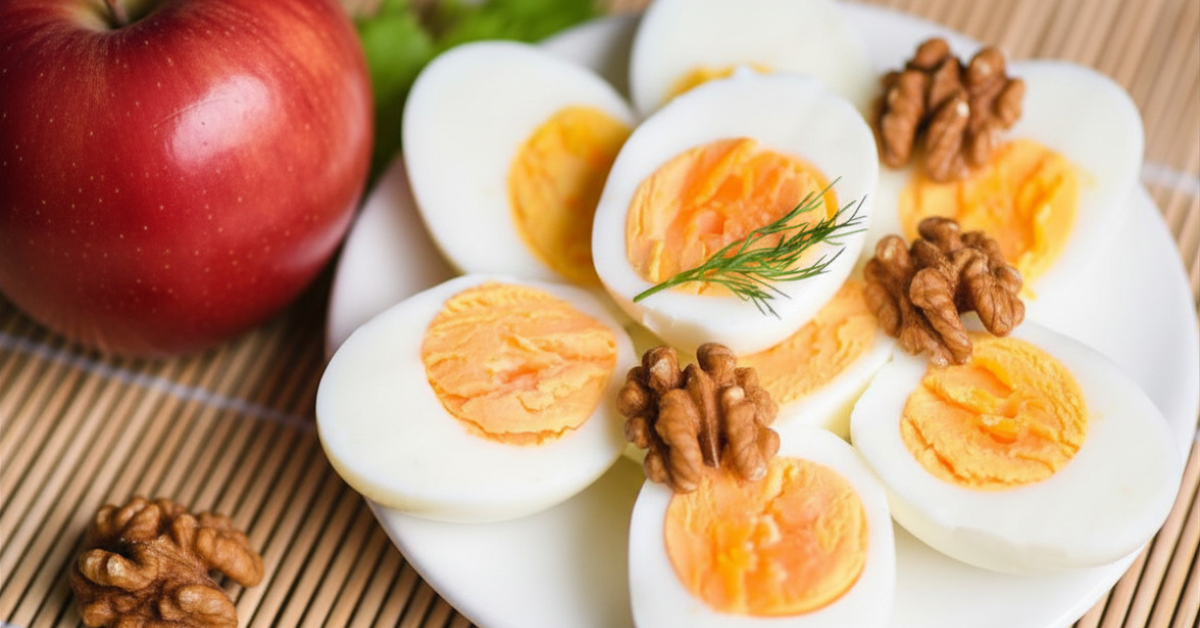
Try This: Audit your snacks specifically. Replace bars and flavored yogurts with whole options: walnuts, a piece of fruit, or hard-boiled eggs. Real food requires no label reading.
4. Social Isolation Disguised as Introversion

As an introvert, I value my quiet time. But after leaving hospital medicine, my built-in social interactions vanished. I felt "peaceful," but I was actually becoming socially isolated.
The Science: The Harvard Study of Adult Development, which has tracked health for over 80 years, found that the single strongest predictor of health and longevity wasn't cholesterol or wealth, it was the quality of our relationships. Loneliness has been found to be as damaging to your health as smoking 15 cigarettes a day. In women over 50, isolation spikes cortisol (the stress hormone), which can lead to accelerated cognitive decline.
The Bottom Line: Being an introvert is a personality trait; being isolated is a biological risk.
Try This: Schedule one "non-negotiable" social connection per week. Whether it’s volunteering, a community class, or a deep conversation with a friend, prioritize it as part of your medical regimen.
5. The "One Glass of Wine" Normalization
The "nightly wind-down" drink is one of the most deeply ingrained habits in our culture. Many women believe one glass of red wine is heart-healthy.
The Science: The science has shifted. A landmark 2018 study in The Lancet concluded that the safest level of alcohol consumption is zero. For brain health specifically, a 2021 study in Nature Communications showed that even moderate alcohol intake is associated with reduced brain volume. Alcohol also destroys your sleep architecture (see Point #1), preventing the REM sleep you need for memory consolidation.
The Bottom Line: One drink nightly is not a neutral habit; it is a neuro-toxin that costs you more than it gives you.
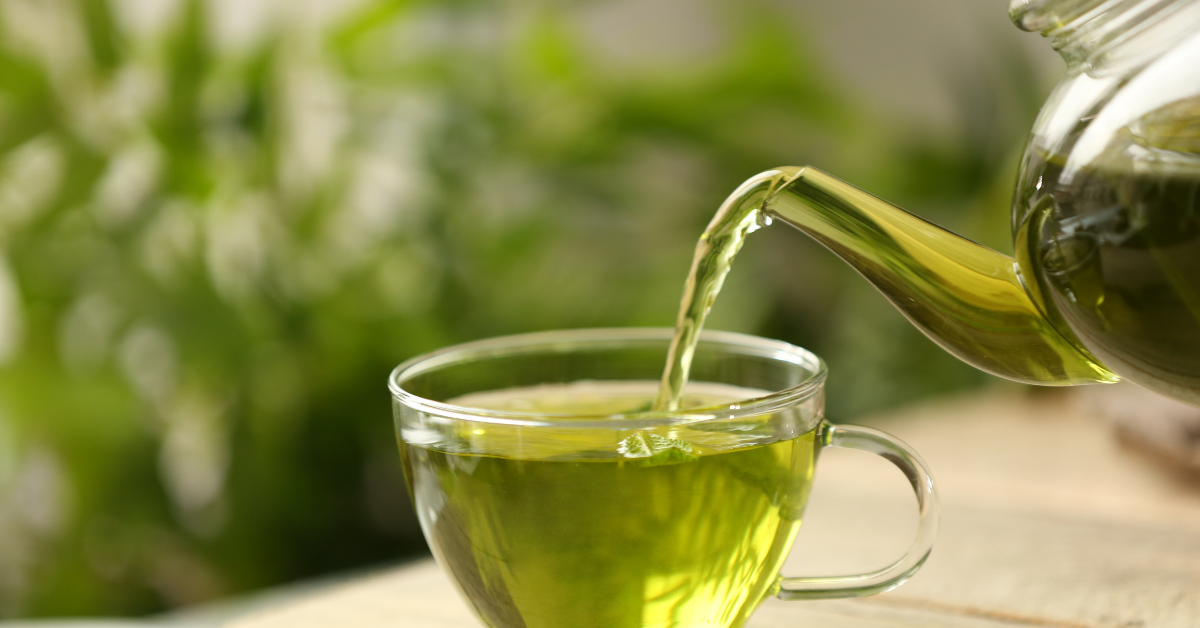
Try This: Swap your nightly glass for a caffeine-free herbal tea or sparkling water with a splash of tart cherry juice (which contains natural melatonin).
6. Magical Thinking: Ignoring New Symptoms
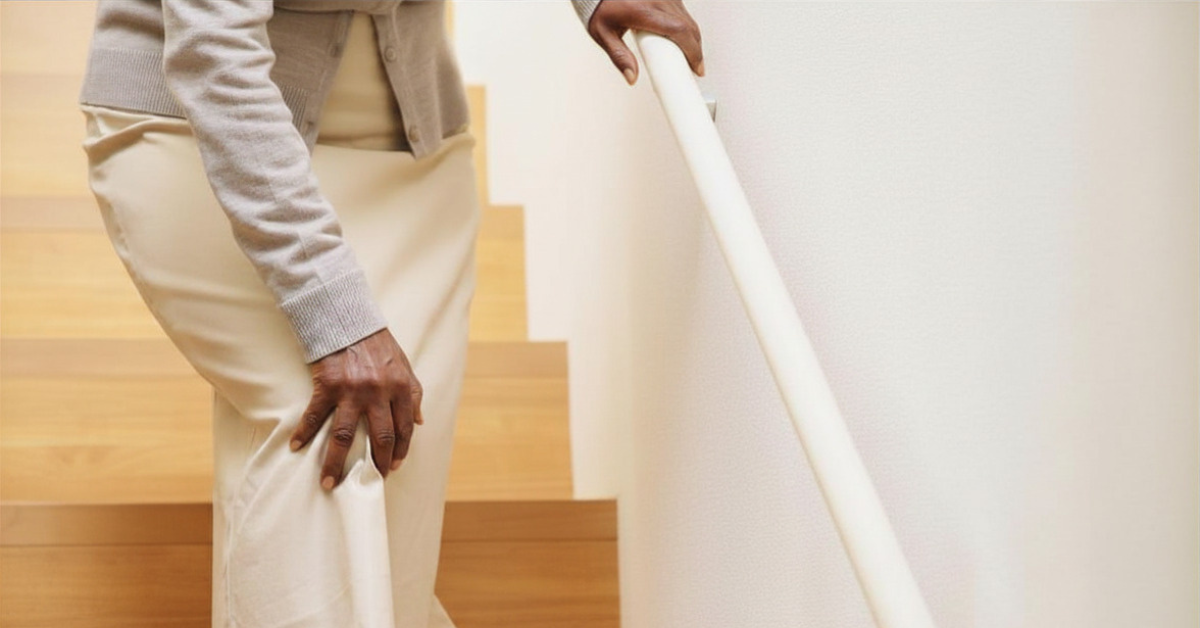
After 50, it’s easy to file new pains under the category of "just getting older." We normalize joint pain, new headaches, or digestive changes because we don't want to overreact.
The Science: This is a form of "magical thinking" that can be dangerous. Diseases like cardiovascular disease, cancer, and neurological changes are most treatable in their earliest, most subtle stages. Waiting for a symptom to become "unbearable" is a decision with long-term consequences for your longevity.
The Bottom Line: Your body communicates before it breaks down. Listening to it isn't hypochondria; it’s wisdom.
Try This: If a new symptom persists for more than two weeks, investigate it. Seek out a provider who understands lifestyle medicine benefits and will help you look at the data, not just the aging process.
7. Invisible Sun Damage (The Cloudy Day Myth)
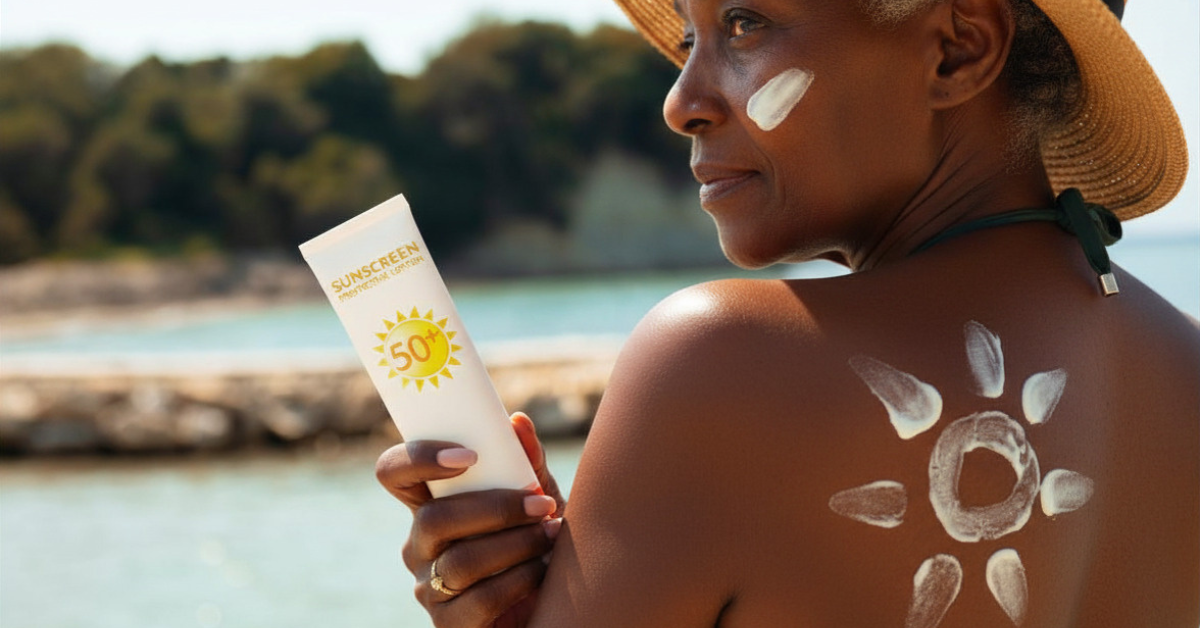
I moved to Florida and still made the mistake of going for walks on cloudy days without protection. I assumed that if I didn't feel the heat, I wasn't being damaged.
The Science: There are two types of rays: UVB (the "burn" rays) and UVA (the "aging" rays). UVB rays are partially blocked by clouds, but UVA rays penetrate through clouds and even window glass. UVA rays cause collagen breakdown and DNA damage year-round. After 50, your skin’s ability to repair this DNA damage naturally declines, making protection a daily non-negotiable.
The Bottom Line: Sun protection is not a beach-day habit; it’s a daily longevity habit.
Try This: Apply a daily moisturizer with SPF every single morning, regardless of the weather. Wear UV-protective sunglasses to prevent cataracts and macular degeneration.
The 7-Day Anti-Aging Audit
You don’t have to change all seven today. Use this checklist to audit your current habits and choose one to focus on this week.
- Sleep: Am I waking up unrefreshed? (If yes, try an evening wind-down routine).
- Movement: Did I sit for more than 2 hours straight today? (If yes, set a standing alarm).
- Nutrition: Did I eat a food with a "health label" today? (Check for ultra-processed ingredients).
- Connection: Have I had a meaningful conversation with a friend this week?
- Recovery: Did I use alcohol to relax? (Swap for a non-alcoholic restorative ritual).
- Vigilance: Am I ignoring a nagging symptom? (Schedule that appointment).
- Protection: Did I wear SPF today: even if it was cloudy?
Healthy aging for women is about the small, consistent choices that protect our brain health and longevity. These habits may be silent, but the results of changing them are loud.
If you're ready to take a deeper look at your health check out our