Stop Wasting Your Time: 7 "Healthy" Habits That Are Working Against You After 50
May 19, 2026
Dr. Diane A. Thompson, MD · Evidence-based | Lifestyle Medicine
Table of Contents
1. The Multivitamin Myth vs. Whole Food Medicine
2. The Cardio Trap: Why You Need Strength
3. Skincare Secrets: The SPF Priority
4. Collagen Powders vs. Lifestyle Factors
5. The Metabolism Mistake: Why Eating Less Fails
6. Reactive vs. Proactive Care: The Power of Screening
7. The Longevity Key: Community Over Solitude
8. Conclusion: Awareness is the First Step
1. Taking a Multivitamin Instead of Eating Well
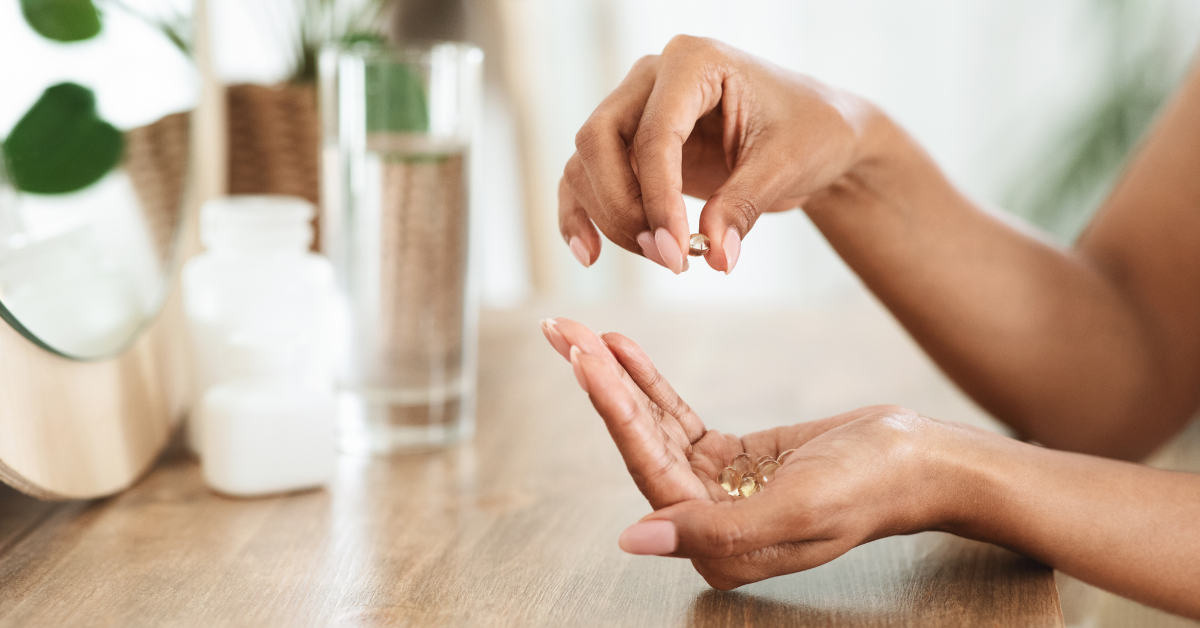
Many of us use a multivitamin as a "safety net." We think that if our diet is heavy on ultra-processed foods or light on greens, that pill will fill the gap.
The Bottom Line: A synthetic pill cannot replicate the thousands of phytonutrients, antioxidants, and fiber found in whole foods. It provides isolated nutrients stripped of the synergistic compounds that make food truly medicinal.
Furthermore, "natural" doesn't always mean safe. Consider the SELECT trial, a massive randomized study published in the Journal of the American Medical Association. It found that men taking high-dose Vitamin E actually had a 17% increased risk of prostate cancer. While that study focused on men, the principle is universal: supplementing aggressively without knowing your levels can be harmful. I have even seen patients with elevated liver enzymes due to excessive, unguided herbal supplementation.
Try This: Stop the "spray and pray" method with vitamins. Get your levels tested for Vitamin D, B12, magnesium, and iron, the most common deficiencies for women over 50. Target those specific gaps and get the rest from a plant-predominant, whole-food diet.

2. Doing Only Cardio and Skipping Strength Training
This was my biggest mistake. I thought 60 minutes on the elliptical was the gold standard. But after menopause, our hormonal environment shifts. Estrogen decline changes how we store fat and how we maintain muscle.
Long-duration, low-intensity cardio can actually increase cortisol (the stress hormone), worsen cravings, and lead to muscle wasting. A 2022 meta-analysis in the British Journal of Sports Medicine found that resistance training just twice a week reduced all-cause mortality by 23%. Muscle is your primary metabolic engine; without it, your resting metabolism drops.
The Key: High-intensity interval training (HIIT) and resistance training are far more effective for healthy aging than endless cardio.
3. Spending on Expensive Skincare Without Daily SPF
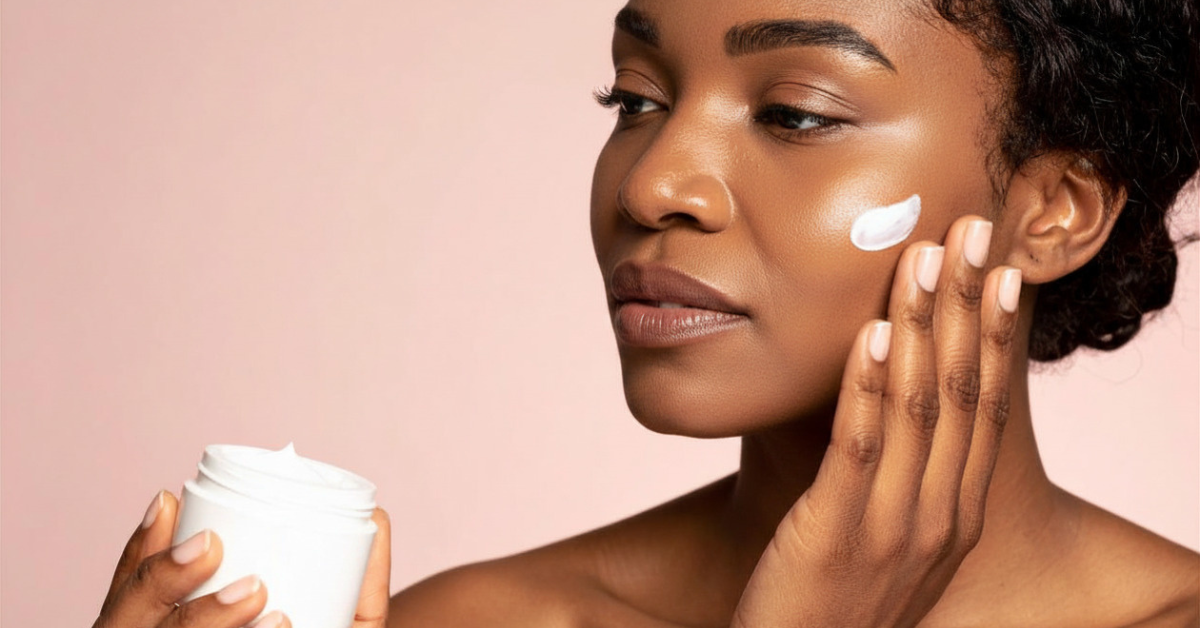
If you are buying $100 retinol serums but skipping sunscreen on cloudy days, you are essentially mopping the floor while the tap is still running.
Eighty percent of visible skin aging, spots, lines, and loss of elasticity, is caused by UV damage, not genetics or "getting older." UVA rays (the "aging" rays) penetrate clouds and glass windows year-round. A landmark study in Clinical, Cosmetic and Investigational Dermatology comparing identical twins proved that sun exposure history was the primary differentiator in how they aged.
Try This: Make SPF part of your morning rhythm, regardless of the weather. It is the single most effective anti-aging intervention you own.
4. Buying Collagen Powders Instead of Addressing What Destroys Them
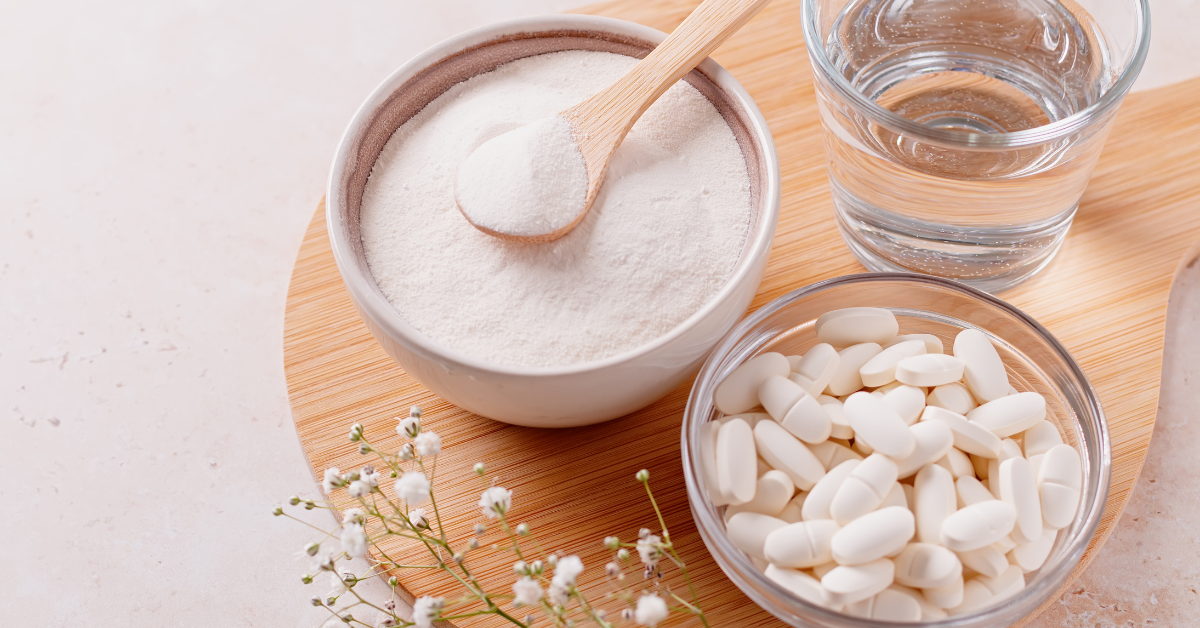
The collagen supplement market is booming, but the science is shaky. Your body breaks down collagen into basic amino acids during digestion; it doesn't automatically "send" that powder to your skin or joints.
What actually matters is protecting the collagen you already have. Lifestyle factors like smoking, excess sugar (which causes glycation), chronic stress, and poor sleep destroy collagen faster than any supplement can replace it.
The Bottom Line: Don’t look for a shortcut in a tub of powder. Focus on sleep health and stress management to protect your body’s natural architecture.

5. Eating Less and Less to Manage Your Weight
When the "middle-age spread" happens, our instinct is to starve it away. But chronic undereating after 50 is a recipe for disaster. When you restrict calories too aggressively, your body breaks down muscle tissue for fuel.
Since we already lose 1-2% of our muscle mass per year after 50, this restriction accelerates the decline, further slowing your metabolism. This is particularly vital for Black women to understand. Our communities often face complex pressures regarding body image and healthcare; please know that nourishing your body with high-quality protein and whole foods isn't "indulgence": it's metabolic medicine.
Try This: Focus on nutrient density, not just calorie scarcity. If you're constantly hungry and tired, your body is telling you it needs more fuel, not less.

6. Only Seeing Your Doctor When Something Feels Wrong
Many of the conditions that impact our longevity: hypertension, cardiovascular disease, and early cognitive decline: are "silent" in their early stages. If you wait until it hurts, the window for the easiest intervention may have already closed.
To my Black sisters reading this: I know the distrust of the medical system is real and rooted in a history of mistreatment. That history is valid. But avoiding screenings isn't a protest; it's a risk to your self-preservation. You deserve to catch things early. You deserve the best possible outcome.
Action Step: Schedule your annual labs. It's not an act of faith in the system; it’s an act of love for yourself.
7. Having a Rigorous Routine but No Social Community
You can have a perfect diet and a flawless gym routine, but if you are isolated, you are compromising your health. The Harvard Study of Adult Development, which has lasted over 80 years, found that the quality of our relationships is the single strongest predictor of health and happiness.
Loneliness carries a mortality risk equivalent to smoking 15 cigarettes a day. It elevates cortisol and accelerates brain aging.
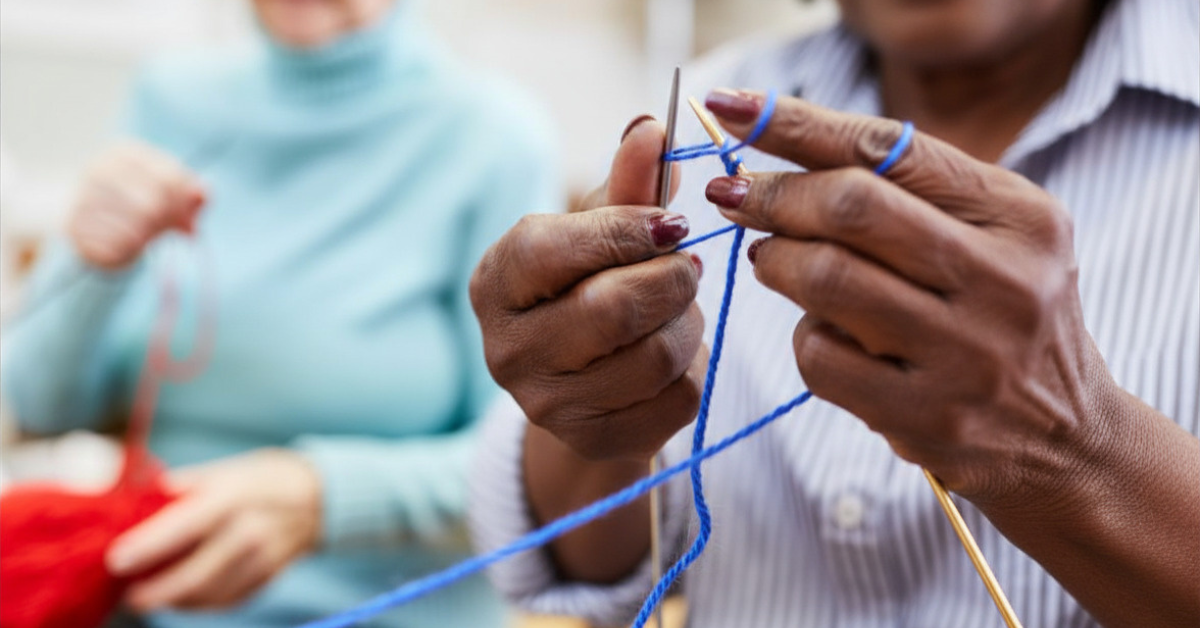
Try This: Find a "third place": a crochet club, a volunteer group, or a fitness class. In my own life, I’ve had to be intentional about this after leaving the hospital setting. Whether it’s ukulele lessons or volunteering at a free clinic, connection is a vital nutrient.
Conclusion: Awareness as the First Step
Health after 50 isn't about working harder; it's about working smarter. It’s about realizing that the habits that served us at 30 might actually be obstacles at 55.
If you recognized yourself in one of these "time-wasters," don't feel guilty. Awareness is the beginning of optimization. Pick one area: perhaps it's trading one cardio session for strength training or finally booking that skin check: and start there.
You aren't just "aging"; you are evolving. And your habits should evolve with you.
Ready to dive deeper into habits that actually work?
- Check out my 14 Day Brain Reset email course.
To your health, your longevity, and your brilliance.
Dr. Diane A. Thompson, MD